Piling Foundations: An Overview for 21st Century Construction
In the realm of contemporary building, the value of a robust foundation is undeniable. Pile foundations are essential for guaranteeing the stability and longevity of structures, especially in difficult ground conditions. Whether you are erecting a tall structure, a bridge, or even smaller structures, grasping the intricacies of piling foundations is crucial for every construction endeavor. This guide intends to furnish you with an in-depth understanding into the nature of pile foundations, their significance, and how they operate to bolster some of the most daring and groundbreaking engineering achievements of our era.
With the evolution of construction techniques, the technology related to foundations advances as well. Piling foundations are not just about traditional methods; they embrace contemporary innovations that boost their efficiency and ecological viability. From piles that are hammered into tough soil to excavated piles that establish deep cavities for tailored support, numerous options are open for engineers and contractors. In the following sections, we will look into the diverse kinds of piling foundations, their uses, and the critical factors that impact their design and placement, providing you with everything you need to know to make knowledgeable choices for your next project.
Understanding Pile Support Structures
Piling are a critical element in contemporary construction, acting like deep foundations that transfer the weight of a structure to deeper, more stable soil layers. These foundations are usually made of substances such as concrete or steel and are pushed or drilled into the ground to reach the bedrock or a firm layer able of holding up the building's weight. This technique is notably critical when the top soil is too fragile to support a structure's load directly. By utilizing piles, engineers can ensure that structures remain stable and sound, even in problematic soil conditions.
The importance of piling foundations extends further than just load support; they also help preventing issues like subsidence and building failure. Different types of piles, including forced and bored piles, address to various construction needs and site conditions. Forced piles are forced into the ground using impact hammers, while bored piles are bored and then filled with cement. Comprehending the differences between these techniques is crucial for choosing the right type for a specific project. The selection can greatly impact the overall performance and strength of the foundation.
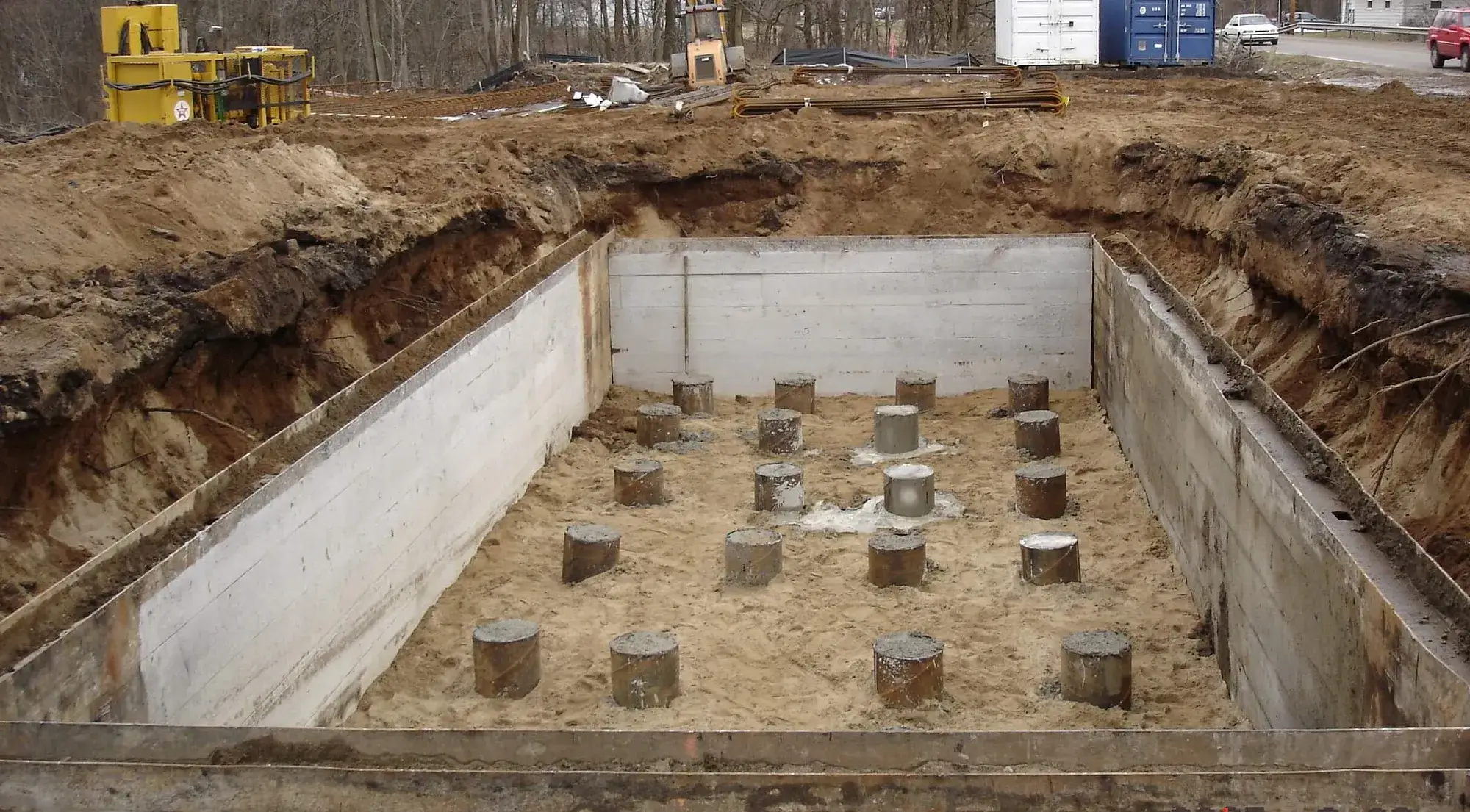
In addition to their operational benefits, piling foundations also play a vital role in maximizing the functional area of a construction site. By utilizing vertical space efficiently, they enable the construction of high-rise structures on limited footprints. This ability is increasingly valuable in metropolitan environments where space is at a scarcity. As engineering techniques and materials progress, the developments in piling technology continue to advance, improving the efficiency and sustainability of these essential foundational systems.
Types of Piling Foundations
Pile foundations can be classified primarily into a couple of main types: hammered piles and bored piles. Driven piles are pre-shaped piles that are hammered into the ground using a pile driver. This technique provides a rapid installation process and is often used in locations with challenging soil conditions. Bored piles, on the other hand, involve boring a hole into the ground, which is then packed with concrete. This method is particularly useful in urban areas where noise and vibration must be reduced.
Within these categories, there are several specific types of piles suited for varied applications. Concrete piles are known for their strength and durability, making them ideal for large structures. Steel piles are favored for their ability to withstand lateral forces and can be used in marine environments. Timber piles, although not as prevalent today, can be utilized in situations where environmental impact must be minimized, and are often used in temporary construction.
Moreover, the choice of pile type often depends on factors such as soil conditions, load requirements, and ecological considerations. Mini piles and micro piles, for instance, are designed for sites with limited access or where conventional piles cannot be installed due to space limitations. Understanding the various types of piling foundations is essential for engineers and construction professionals to select the most appropriate solution for their particular projects.
Benefits and Applications of Piling Foundations
Piled foundations offer many advantages, especially in challenging soil conditions. One of the key benefits is their ability to provide stability for large and heavy buildings. By shifting the load of a structure far into the ground, piled foundations effectively reduce the chance of sinking and movement, ensuring that the building remains secure and sound over time. Great post to read makes them perfect for skyscrapers and additional large constructions that require a solid and dependable foundation.
An additional significant application of piled foundations is in marine construction where soil conditions are frequently unpredictable and susceptible to erosion. Piles can reach solid layers beneath the weak, unreliable surface soil, making them essential for supporting piers, docks, and additional marine structures. Furthermore, modern advancements in piling technology have led to the creation of multiple pile types, including mini and micro piles, which are useful for constrained urban sites or retrofitting existing buildings.
Finally, piled foundations contribute to environmental sustainability in construction. By lessening the amount of excavation and ground disturbance required, they minimize the environmental footprint of building projects. In addition, the strength of piled foundations means they can extend the lifespan of a structure, reducing the need for regular repairs or replacements. This sustainable efficiency not only aids environmentally-conscious construction practices but also offers cost savings over the life of the building.