Heat Exchange Revolution: Innovative Technologies Revolutionizing Performance
Within today's ever-more energy-aware environment, the quest for efficiency is even crucial than before. At the core to this pursuit is the heat exchanger, an innovative device that facilitates the transfer of thermal energy among two or more liquids. With applications spanning various industries—from HVAC to power production—heat exchangers play a key role in improving energy effectiveness, reducing costs, and promoting sustainability. With innovative technologies emerge, the field of heat exchangers is evolving, paving the path for innovations that transform how we handle thermal energy.
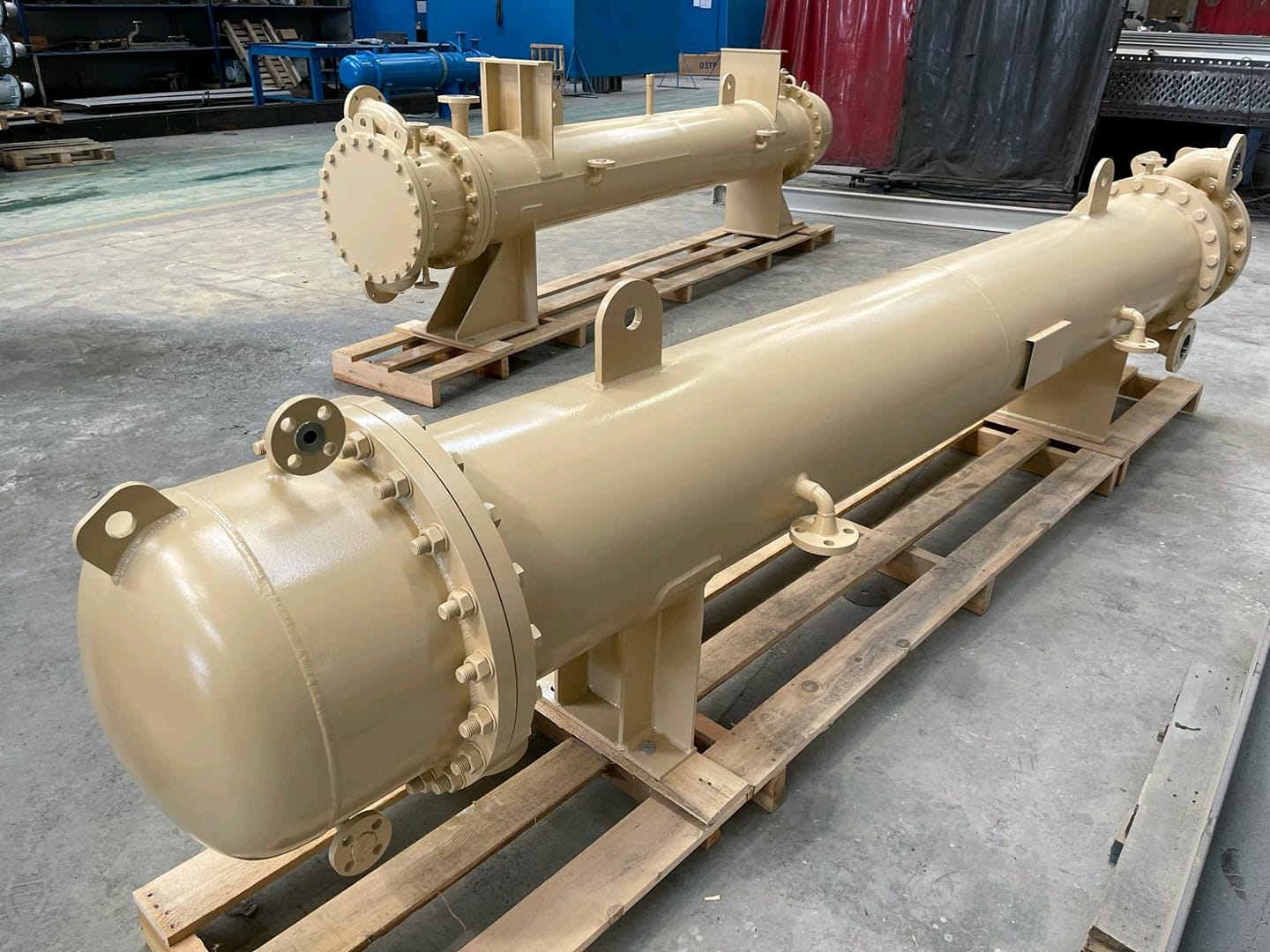
This article explores the intriguing realm of heat exchangers, investigating their basic principles, various types, and the latest advancements that are shaping their future. We will look at key applications in various sectors, the important role they serve in optimizing energy use, and the importance of proper maintenance to ensure peak performance. Whether you're a seasoned engineer or just curious about how these devices work, come along on this journey to discover the cutting-edge technologies that are revolutionizing heat exchange efficiency.
Understanding Thermal Exchange Devices
Heat exchangers are vital components used to move heat between a pair of gases without mixing them. They play a key role in numerous applications, spanning from energy facilities to heating, ventilation, and air conditioning systems. By optimally moving thermal energy, these systems help preserve specific temperatures and boost overall system performance. Their construction and functioning are based on the principles of energy transfer and fluid mechanics, making them indispensable components in many industrial processes.
There are various types of thermal exchange units, each appropriate to specific applications. Some common types encompass shell and tube, plate, air-based, and double-pipe heat exchangers. engineering plans for hot water loop has its advantages and is opted for based on considerations such as spatial constraints, thermal transfer requirements, and the nature of the liquids involved. Understanding the distinct properties of each type can substantially impact energy efficiency and operational overhead.
In contemporary industry, the inclusion of thermal exchange systems is indispensable for enhancing thermal efficiency and eco-friendliness. They enable the reclamation of unused heat, thus decreasing overall energy usage. As industries increasingly focus on eco-friendly practices, advanced thermal exchange technologies are developing to accommodate these requirements. This not solely helps in lowering GHG emissions but also contributes to lower operational costs and increased performance across multiple sectors.
Advanced Uses and Technology
Heat exchangers have found creative uses across diverse industries, significantly enhancing performance and eco-friendliness. In the renewable energy sector, they serve a crucial role in sun-powered systems, where they assist the transfer of heat from collectors to water storage tanks. This combination not only optimizes energy harvesting but also enhances overall system efficacy, paving the way for more widespread adoption of sustainable technologies.
Sectors such as edible products and beverage manufacturing rely on specialized heat exchangers to maintain product quality while improving energy saving. These systems are engineered to handle sanitary uses, ensuring that heat transfer occurs without contamination. The use of plate heat exchangers in this sector has been particularly significant, as they can be easily cleaned and offer outstanding thermal efficiency, reducing both energy consumption and water usage during operations like sterilization.
Automotive engineering is another field experiencing dynamic advancements in heat exchanger design. As vehicles become more energy-efficient, the need for compact, lightweight heat exchangers is increasing. Innovations such as microchannel heat exchangers are transforming cooling systems, providing notable weight savings and improved thermal control for motor systems. This not only improves vehicle functionality but also contributes to lower emissions and better gas economy, showcasing the essential role of heat exchangers in the drive towards more sustainable transportation solutions.
Maintenance and Performance Improvement
Regular maintenance is essential for securing the optimal operation of heat exchangers, which positively impacts energy efficiency. Overlooking maintenance can lead to buildup, corrosion, and further issues that diminish heat transfer efficiency and raise energy consumption. Establishing a regular inspection schedule helps spot potential problems early, minimizing downtime and costly repairs. Maintenance practices such as cleaning, replacing worn components, and observing performance indicators play an important role in ensuring heat exchangers operating at their peak.
Improving the efficiency of heat exchangers often requires upgrading existing systems with the latest technologies and design advancements. For instance, including digital monitoring systems allows operators to gauge performance metrics in live, allowing timely interventions when inefficiencies are detected. Additionally, overhauling older heat exchangers with new materials or designs can significantly enhance heat transfer efficiency, thereby cutting the energy required for operation. These upgrades not only lengthen the lifespan of the equipment but also translate into lower operating costs.
Moreover, grasping the specific heat transfer needs of a process allows for more focused maintenance and efficiency enhancement strategies. Custom heat exchangers can be designed to fit unique industrial applications, improving performance and energy use. By coordinating maintenance efforts with these tailored approaches, facilities can achieve exceptional operational efficiency, highlight sustainability efforts, and stay ahead in more energy-conscious markets. This strategic approach to maintenance and efficiency enhancement ensures that heat exchangers remain a vital component of contemporary industrial systems.